
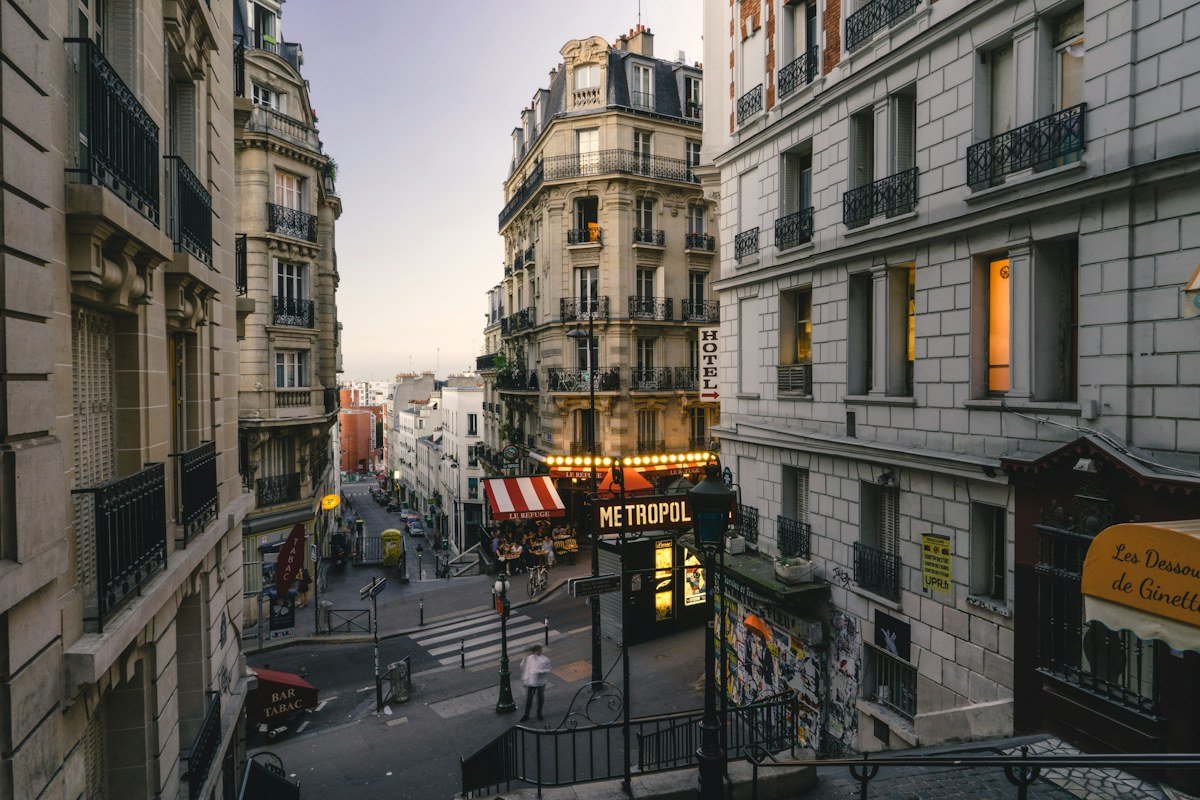
Moving to France can be rewarding, but the first weeks are smoother when you solve paperwork, housing and daily logistics before comparing cafés or scenic views. Treat the country as a collection of local markets: what works in central Paris may be inconvenient on a hillside in Nice.
Check your visa or residence route before arranging a move
The correct process depends on nationality, the duration and purpose of the stay, and whether you are employed, studying, accompanying family or otherwise eligible. Consult the official France-Visas portal and the consulate handling your application. Do not assume a property purchase, tourist entry or another person’s visa gives you the right to live and work in France long term.
Create a checklist of documents needed in their original and translated forms: passport, civil status, proof of work or study, insurance, academic or school records and evidence of funds where required. Administrative offices may request certified translations or specific document formats. Save copies for official applications while protecting personal data.
Choosing your first home in France
If you have never lived in the city before, temporary accommodation offers time to test public transport, supermarkets and the noise level of the exact street. Ask whether the arrangement allows you to obtain the documentary proof of address needed for essential services.
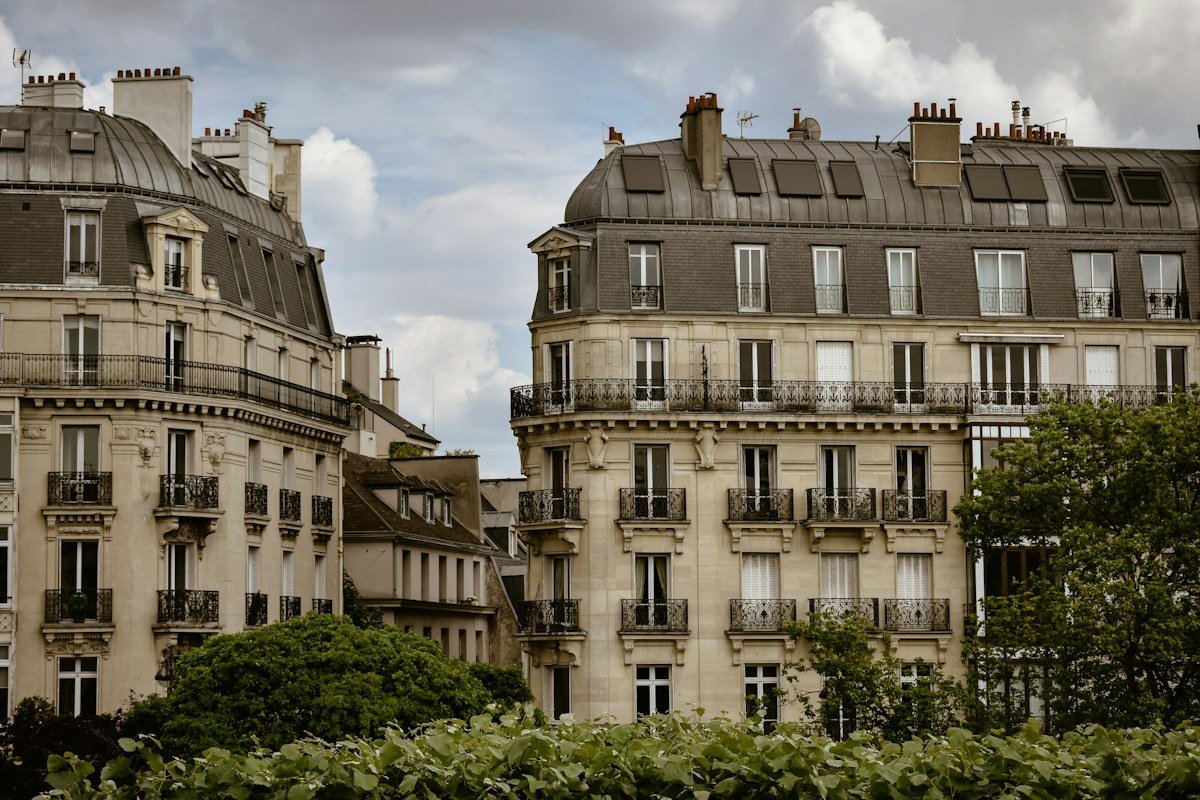
Paris 16th arrondissement: Investigate the relevant section of the arrondissement, not simply the prestige of the name. A shorter commute to work and reasonable school routes may be worth more than an extra room in a less connected location.
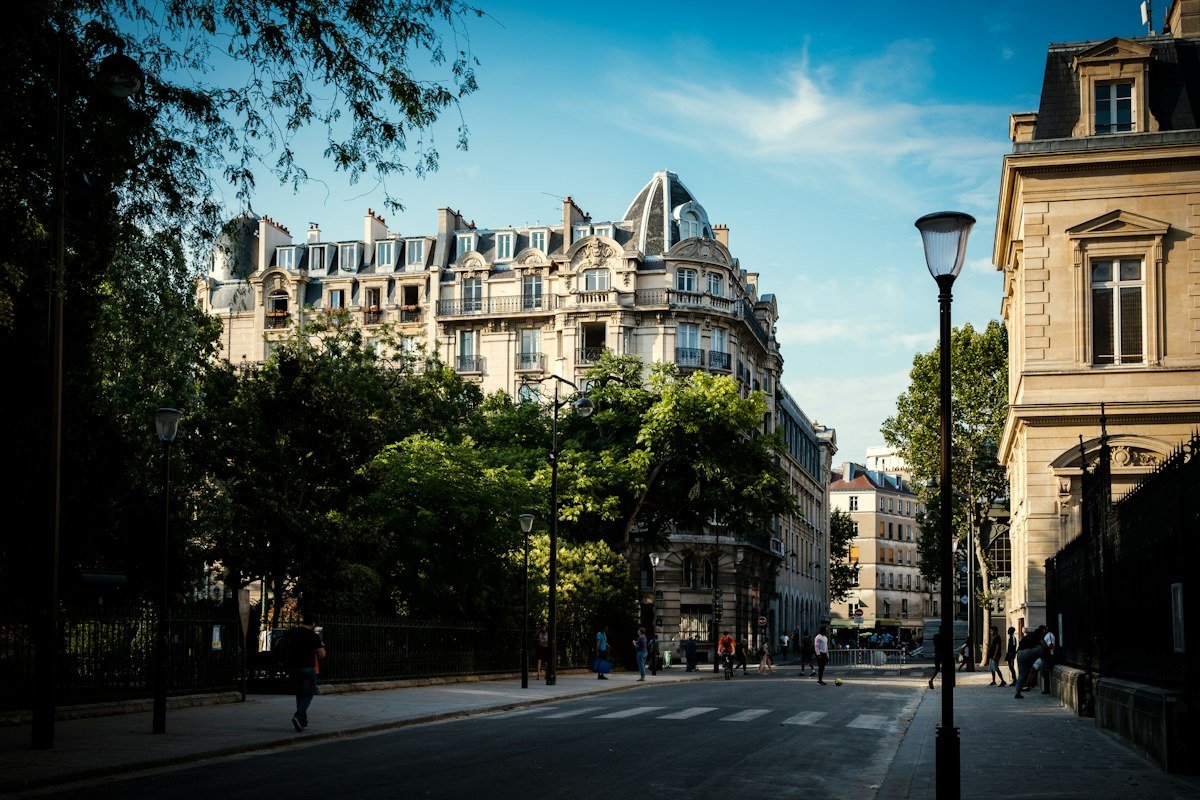
Saint-Germain-des-Prés: Central services and cultural access can be major attractions. Street activity and historic buildings mean checking sound insulation, stairs, lift access and space for working from home.
Mont Boron, Nice: Views and quiet residential surroundings may come with steeper walks or more dependence on a car. Verify transport, parking, coastal maintenance issues and the practicality of daily errands.
Renting: what to review before paying
French tenancies involve contract, furnished or unfurnished status, charges and deposit rules. You should also expect an incoming property-condition inventory, the état des lieux. Ask for the energy-performance documentation, check heating and ventilation, and understand how utilities are billed. Official Service Public guidance covers leases and deposits. In Paris and certain regulated areas, additional rent-control rules may apply to eligible homes.
Don’t pay based solely on a social media advertisement. Verify the property and agent, review the agreement and keep the listing and payment records. For broader comparisons see our France housing guide.
Healthcare: plan the transition to suitable coverage
French public health insurance eligibility is influenced by work and stable lawful residence, among other circumstances. New arrivals should check when they qualify, what registration is required and whether they need private or other interim coverage. Ameli is a primary official source for procedures and benefits. Do not assume coverage starts automatically upon crossing the border.
Locate a general practitioner and relevant pharmacies after securing suitable cover, particularly if anyone in the household needs ongoing care or medication. Bring properly documented prescriptions and confirm import rules for any restricted medicines.
Banking, communications and local services
A bank may request identity, address and status evidence, depending on the account and provider. Compare fees and payment features and check how recurring rent, electricity, internet and insurance bills will be collected. Keep some flexibility during setup: installation dates, opening appointments and proof-of-address requests can shift.
In Paris, Île-de-France Mobilités provides current public-transport routes and fares. Nice uses different local transport systems. Test the full journey from the precise street, including stairs and transfers, rather than relying on the distance shown by a property advertisement.
Children and schools: start enquiries early
Admission to public schools involves local authorities and individual institutions, and processes vary by the child’s age and circumstances. Ask the mairie or appropriate educational office which procedures apply, what school records are needed and whether language support is available. Check the correct enrolment or allocation process before choosing an address on the assumption that a preferred school is guaranteed.
Parents should also investigate childcare places, lunch provision, after-school care and travel time. For older students or international programmes, confirm qualifications, language of instruction and admission dates directly with the institution.
Your France moving checklist
Four to eight weeks before travel
- Confirm entry and residence conditions and arrange required appointments.
- Obtain translations, insurance confirmation and key identity documents.
- Compare realistic monthly housing and transport budgets for your shortlist.
- Ask how the temporary or permanent accommodation supplies proof of address.
The first weeks
- Inspect the home, document condition and clarify utility account responsibility.
- Arrange health cover and start any applicable enrolment procedure.
- Contact schools or childcare providers with the correct local documents.
- Set up banking, phone and transport and keep your confirmations.
After you have settled
- Reassess actual household spending and commute times.
- Review your lease, insurance and permit renewal dates.
- Visit alternative neighbourhoods before making a major purchase decision.
How to avoid common first-month setbacks
New residents often discover that the first bill or appointment depends on another document they have not yet obtained. Keep a simple tracker for each service: required evidence, responsible provider, appointment date and a scanned confirmation. Before you move into a rental, make sure you know whether the electricity contract is active, who pays for water and heating, how rubbish collection works and what the building rules allow. In a historic Paris apartment, ask about deliveries and lift access; on an elevated road above Nice, check the practicality of carrying groceries or furniture.
For households with two working adults, map both commutes and school or childcare hours together. This can expose practical problems that a one-way office travel estimate misses. Once settled, update emergency contacts and learn how to contact your municipality and health insurer directly.
Questions people ask before moving to France
Can I choose my school by moving to an affluent arrondissement?
A prestigious neighbourhood cannot guarantee a school place. Check official allocation and admission criteria for the child’s age and programme.
Should I choose Paris or the Riviera?
Compare your work and school locations, preferred daily routine, transport use and housing costs rather than tourist appeal alone.
Is buying a home the quickest way to settle?
It can create unnecessary financial exposure before you understand local routines. Renting can be useful during an initial relocation period.
Continue with living in France and education in France (verify the education link when browsing the archive). Official information takes priority over generic relocation checklists.
Updated 28 October 2026. This guide provides general information only; immigration, tenancy, school and insurance requirements must be verified for your circumstances with the relevant official authorities.