

Living in France becomes much easier when housing, transport, healthcare, household administration and local routines are planned together. A beautiful neighbourhood is not always the most practical one for your day-to-day life. Use this guide to understand what to arrange, how to compare locations and where to verify official requirements as a resident or newcomer.
Start with the location, not only the accommodation
France has major differences between central Paris, suburban municipalities and Mediterranean cities. Before choosing a home, map your routine: where you work, where children may study, how you travel, which services you use weekly and whether you prefer walkability, a quiet street or more interior space.
Choosing a rental or purchase also creates different obligations. Our France housing guide explains rental deposits, Paris rent controls, property checks and how to compare the 16th arrondissement, Saint-Germain-des-Prés and Mont Boron.
Choosing a neighbourhood for everyday life
Paris’s 16th arrondissement
This large district has varying residential streets, retail and transit access. Compare actual walking distance to a métro station, stairs or lifts in the building, grocery options, public space and daily school or office trips. Do not assume that every part of the arrondissement offers the same pace or that a prestigious address guarantees more space.
Saint-Germain-des-Prés
For someone who values central cultural amenities, shops and walking routes, this is an attractive research candidate. However, an apartment on a busy street may offer different acoustic privacy than one away from main activity. Consider accessibility, building maintenance and the cost of living in a small central apartment compared with housing further from the centre.
Mont Boron, Nice
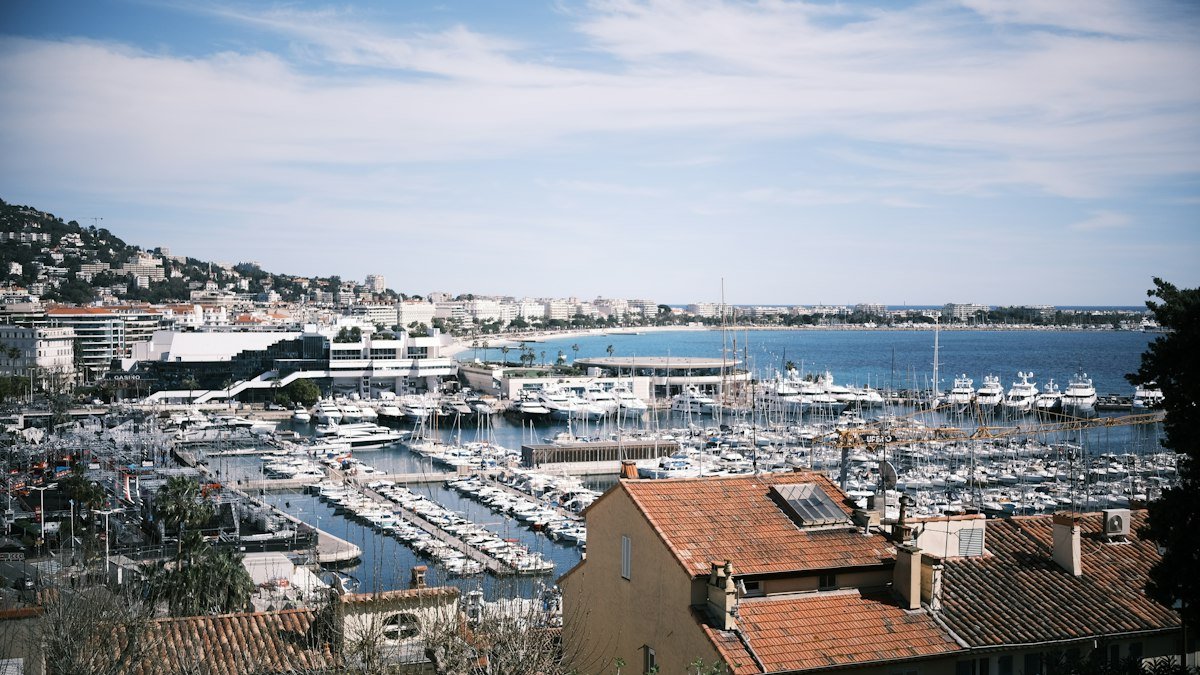
In this hilly coastal setting, the exact address can shape everyday convenience. Test uphill and downhill journeys, how you reach groceries or healthcare, car parking, bus availability and summer activity. A sweeping view is not a substitute for a practical weekly routine.
Getting around: public transport versus driving
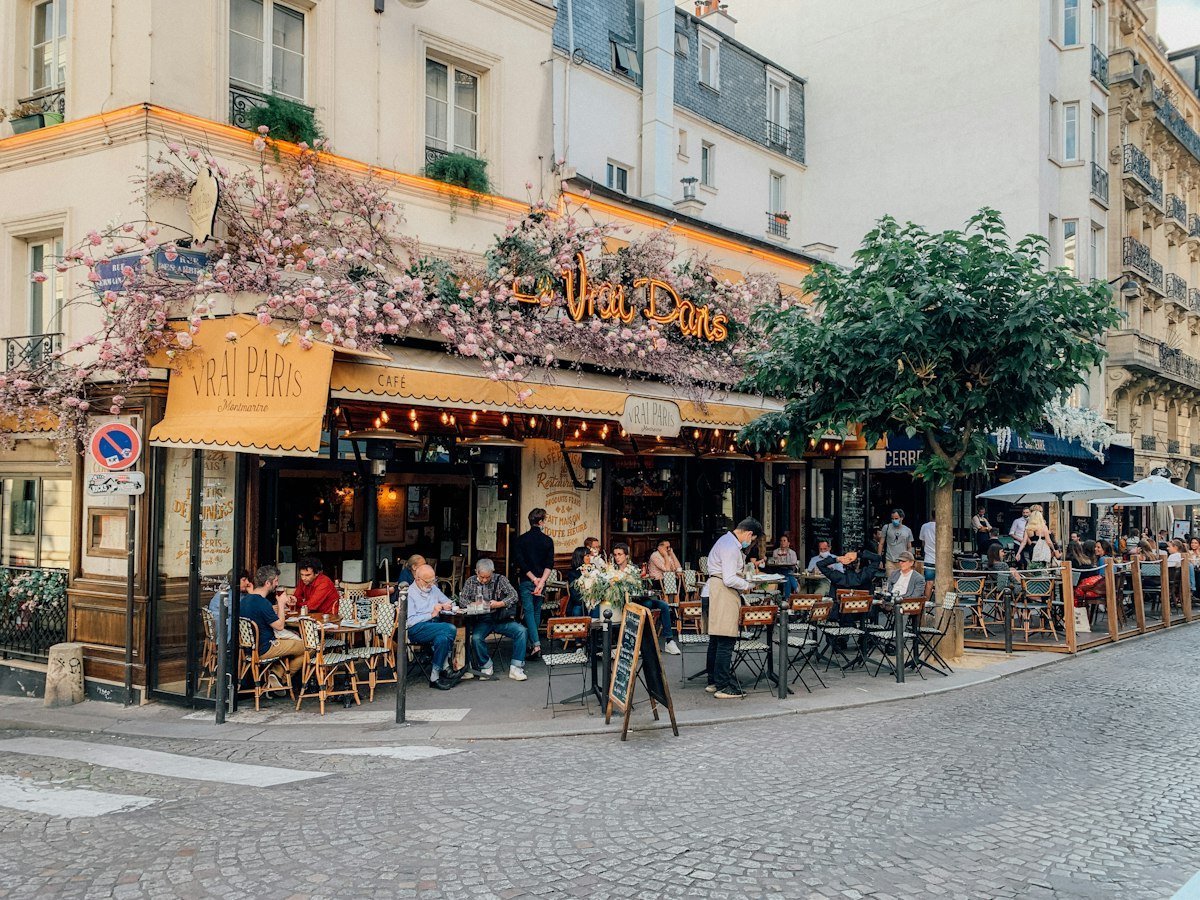
Urban transport is a significant factor in both housing choice and recurring costs. In Paris and the surrounding Île-de-France region, use Île-de-France Mobilités to check routes, fares, tickets and transport arrangements. Compare an actual morning door-to-door trip, including the walk to the platform and any transfers, rather than a theoretical distance on a map.
For families, transport needs extend beyond work. The regional authority publishes school-transport guidance, including options for children with different needs. For Nice and other cities, use their own current public-transport operators and local maps because Paris tickets and services are not nationally interchangeable.
If you drive, consider parking access, local restrictions, fuel or electricity costs, motorway tolls where relevant and whether one household vehicle can reasonably serve everyone’s schedule.
Healthcare and social protection basics
France’s health-insurance arrangements depend on employment, legal residence and other personal circumstances. The official Assurance Maladie explanation of PUMa describes the basis for health coverage for people working or residing in France on a stable and regular basis. This does not mean every arriving visitor is automatically covered from the first day: eligibility and documentation matter.
Before relocating, establish what cover applies during the transition, which documentation you need and how you will register with the appropriate health authority. Students arriving from abroad can consult Ameli’s dedicated foreign-student registration process. If you are comparing neighbourhoods, check the actual access to primary care, pharmacies and relevant hospitals from each address without assuming proximity guarantees an appointment.
Schools, childcare and family routines
Local schooling can affect where a family lives, but the process is different for public, private and other education arrangements. The French government’s guidance for children arriving from overseas explains how enrolment in primary education generally involves the municipality and the school, with additional procedures where applicable.
Check the child’s age, language needs, current available places, catchment arrangements and required paperwork before signing a housing contract based on a hoped-for school placement. A nearby school is not necessarily the institution your child will attend. Investigate daily walking and transit routes, school hours and after-school arrangements.
Banking, communications and household setup
Everyday administration can be easier when you have reliable proof of address, identity documentation, a suitable bank account and access to online government services. Compare banking fees and the documents providers require; a French bank account may be important for recurring payments, but account-opening conditions differ by institution and residency status.
Plan the first weeks around electricity and heating contracts, internet installation, home insurance, local waste arrangements and mail delivery. Ask whether the housing contract includes utilities or whether you must arrange them separately. Store digital and paper copies of essential contracts and receipts.
What does living in France cost?
There is no meaningful single monthly figure for every household. Build a location-specific budget using four groups: housing and utilities; transport; groceries and everyday services; and education, childcare or healthcare costs where applicable. Distinguish one-off moving expenses from recurring bills.
For example, a central Paris apartment may reduce the need to drive but come with a different floor-space trade-off than a home in Nice. A hillside location can have attractive residential characteristics while increasing the importance of car journeys. The best comparison uses current listings, service schedules and your own needs, not unsourced averages.
First-month checklist when moving to France
- Check that you hold the correct entry or residence permission for your circumstances.
- Make sure your home contract and proof of address are complete and accessible.
- Arrange suitable health coverage and confirm official enrolment steps.
- Set up essential utilities, phone and internet and record all account details.
- Review local transport tickets and test regular travel routes.
- Contact the correct municipality or school about any child-enrolment obligations.
- Create a realistic first-year budget with room for initial setup costs.
- Learn where to find official local information in French, even if you also use translations.
Frequently asked questions
Can I live comfortably in France without a car?
It depends on the neighbourhood and your destinations. Many urban addresses have useful transit and walking access, but hilly or less central areas may create a greater need for a vehicle. Test the actual route before deciding.
Does choosing an expensive neighbourhood guarantee access to a specific school?
No. Admissions rules and capacity need to be verified with the institution and appropriate local authority.
Will healthcare coverage start automatically on arrival?
Not universally. Coverage depends on eligibility, status and registration; check the official insurer and your interim needs before travelling.
Related France guides and official references
See the France housing section, education section, and moving section for complementary planning.
- Ameli: health coverage framework.
- Service Public: enrolling a newly arrived child.
- Île-de-France Mobilités: transport.
Reviewed 17 October 2026. This guide is location research, not immigration, legal or medical advice; verify individual eligibility and current services with official providers.