
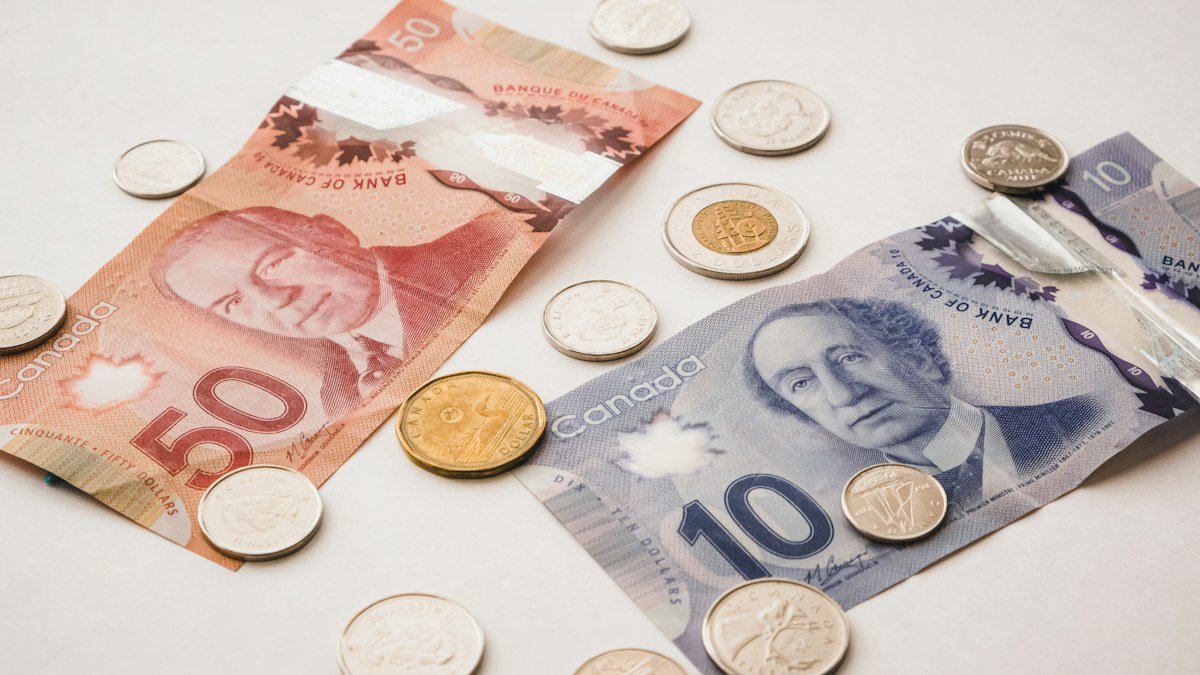
A Canadian bank account can make the first weeks of settling in much more manageable. It may be useful for receiving employment income, paying rent and bills, making debit purchases and keeping track of regular spending. Newcomers should understand the identification rules and compare products carefully rather than assume every welcome offer is equally suitable.
Can a newcomer open a bank account in Canada?
The Financial Consumer Agency of Canada (FCAC) explains that a person can generally open a bank account with appropriate identification even if they are not a Canadian citizen or live outside Canada. The practical opening process and eligible account types can depend on the institution. You may need an in-person branch visit and must allow the financial institution to verify your identity.
Do not assume you must already have employment or a Canadian credit history just to request a basic deposit account. However, products such as borrowing and credit cards can have different approval requirements from everyday banking.
What ID might be required?
FCAC describes accepted identification combinations, including documents from reliable sources establishing name, address and date of birth, or certain alternatives with identity confirmation. The details are important: a passport, government-issued record or other documentation may need to be paired with another acceptable source, depending on the bank and method.
Bring original documents when the rules require them and ask the bank for a specific list before visiting. If the bank is unable to verify your identity, it may refuse to open the account in circumstances permitted by law. Do not send passport scans or other sensitive identity documents to an unverified person who contacts you through social media.
Choose between chequing, savings and other products
Chequing accounts are generally designed for everyday transactions, wages, debit payments and bills. Savings accounts may offer interest but can come with restrictions or different transaction fees. For newcomers, a simple low-cost account can be a sensible starting point, while a more elaborate package may be useful only if its additional features are worth the cost.
The bank may also offer a credit card, overdraft or investment products. These are different commitments and should be assessed separately. A savings or chequing account should not be confused with a promise of credit approval.

How to compare account fees fairly
Look beyond the advertised monthly service fee. Ask about the number of included transactions, ATM withdrawal charges, overdraft interest, foreign-currency payments and the requirements for avoiding fees. Some promotional newcomer packages may offer a waiver that ends after a period. Request the post-promotion price in writing.
FCAC’s low-cost and no-cost account guidance explains that eligible newcomers and other groups may qualify for particular no-cost banking options. Eligibility and product terms should be checked against current official information.
| Question | Why it matters |
|---|---|
| How much is the monthly fee? | Helps calculate recurring costs after promotions |
| How many transactions are included? | Frequent small payments may create extra charges |
| Are transfers free? | Money movement can affect total cost |
| What is the ATM policy? | Some networks or machines may charge fees |
| How is interest calculated? | Savings promotions can have conditions |
| What happens on cancellation? | Know how to close the account or switch banks |
Deposit protection and bank safety
Canadian deposit insurance depends on the institution and type of eligible deposit. The Canada Deposit Insurance Corporation (CDIC) explains which member institutions and categories are covered. Provincial credit unions can have different arrangements, so verify the regulator and insurance scheme that actually applies. Do not treat a trading app or investment account as automatically equivalent to an insured bank deposit.
Keep important account terms, contact information and statements securely stored. Set up notifications for card activity and review transactions regularly.

Sending money internationally and paying bills
A newcomer may need to transfer funds from another country or send money to relatives abroad. Compare exchange rates and fees together, and ask whether there are intermediary or recipient charges. An advertised low transfer fee can still involve a less favourable exchange rate.
For bills, understand how direct debit and pre-authorised payment arrangements work and how they can be cancelled. Confirm your tenancy’s accepted payment methods before assuming any account will automatically support them. If you switch banks, keep the old account open until payments and deposits have been successfully redirected.
Banking fraud and identity security
Scammers sometimes impersonate banks and claim that urgent account verification is required. Do not share your password, PIN or security codes in response to a call or text you did not initiate. Access the bank through the application or official website you know, not through an unsolicited link. The government’s newcomer banking guidance advises protecting personal financial information.
If you suspect fraud, contact the institution immediately using verified contact details and retain records of any suspicious transactions. Identity documents should be shared only through established, trustworthy channels.
How banking connects to your city and neighbourhood
Someone renting an apartment in Yorkville may value convenient digital payments, while a household in West Vancouver or Westmount might consider the accessibility of local services, salary arrangements and cross-border transfers. There is no basis for claiming a particular Canadian bank is universally best for any of these areas. Compare the provider’s features against your own needs.
As you establish your routine, use our moving to Canada guide, living in Canada guide and housing guide to connect banking decisions with household costs.
Newcomer account checklist
- Confirm which account type suits salary, expenses and savings.
- Review FCAC’s accepted identification requirements.
- Compare monthly and transaction fees after any waiver expires.
- Check the bank’s official regulatory and deposit-insurance information.
- Ask how overseas transfers and recurring payments work.
- Read the agreement and save a copy securely.
- Set up authentication, transaction alerts and a fraud contact procedure.
Frequently asked questions
Do I need Canadian citizenship to open an account?
No. FCAC explains that non-citizens can open accounts with acceptable identification, subject to applicable rules and the institution’s verification process.
Can I open an account without an established credit history?
A basic bank account is different from a loan or credit card. Confirm any particular product’s requirements directly with the institution.
Are free newcomer accounts permanently free?
Not necessarily. Some offers are temporary or have eligibility conditions. Check the fee schedule and what happens after the introductory period.
Official references
See FCAC account opening, low-cost banking and CDIC. This article provides general consumer information rather than financial or tax advice.
Reviewed 29 October 2026. Banking rules, identification requirements and promotional fees change; verify current terms directly with the financial institution and regulators.